The consumer electronics industry is a realm of relentless innovation, where today’s cutting-edge gadget quickly becomes tomorrow’s standard. From smartphones and smart home devices to wearables and immersive VR headsets, the pace of development is breathtaking. However, this rapid evolution brings with it immense challenges, particularly in ensuring the quality, reliability, and safety of these complex products. Traditional Quality Assurance (QA) methodologies, while foundational, are increasingly struggling to keep up with the sheer volume and intricacy of modern electronics. This is precisely where the power of artificial intelligence steps in. In this dynamic landscape, the transformative impact of **Aipowered Tools Are** reshaping how products are tested, refined, and delivered to consumers.
The integration of AI into QA is not just an incremental improvement; it represents a paradigm shift. It empowers manufacturers to identify defects earlier, predict potential failures, and significantly accelerate time-to-market without compromising on quality. For any company aiming for sustained success in this competitive sector, understanding and adopting these advanced solutions is paramount. This post will delve into how AI-powered QA tools are fundamentally changing the future of consumer electronics, highlighting five amazing categories of these tools that are truly essential for success.
The Evolving Landscape of Consumer Electronics QA
Consumer electronics products are more sophisticated than ever before, integrating a multitude of hardware components, intricate software, and complex connectivity features. A single device might encompass multiple sensors, wireless communication protocols, touch interfaces, and advanced processors, all needing to function seamlessly together. This complexity means that the potential points of failure have multiplied exponentially, making comprehensive QA an incredibly demanding task.
Furthermore, consumer expectations for flawless performance and user experience have never been higher. A single software bug, a minor hardware defect, or even a slight performance lag can lead to negative reviews, brand damage, and costly product recalls. Traditional manual testing is labor-intensive, prone to human error, and often cannot cover the exhaustive range of test cases required. Even conventional automated testing, while efficient, may lack the intelligence to adapt to new scenarios or uncover subtle, emergent issues. This necessitates a more intelligent, proactive approach, and this is where **Aipowered Tools Are** making a significant difference.
Why Aipowered Tools Are Essential for Modern QA
The advantages of integrating AI into the QA process are multifaceted, offering benefits that extend far beyond simple defect detection. These tools provide unprecedented levels of speed, accuracy, and efficiency, fundamentally changing the economics and timelines of product development. By leveraging machine learning algorithms, computer vision, and predictive analytics, **Aipowered Tools Are** enabling companies to achieve a higher standard of quality control.
Enhancing Test Coverage with Aipowered Tools Are
One of the most significant benefits is the ability of AI to enhance test coverage far beyond what human testers or traditional automation can achieve. AI can generate new test cases based on existing data, identify edge cases that might be overlooked, and even simulate user behavior in highly realistic ways. This ensures that products are rigorously tested across a vast array of scenarios, leading to more robust and reliable devices.
Moreover, AI can perform repetitive tasks with unwavering consistency, freeing up human testers to focus on more complex, exploratory testing that requires human intuition and critical thinking. This synergy between human and artificial intelligence maximizes efficiency and effectiveness. The comprehensive nature of testing enabled by **Aipowered Tools Are** means fewer surprises post-launch.
5 Amazing Aipowered Tools Are Shaping Consumer Electronics QA
To truly grasp the impact of AI in this sector, it’s helpful to look at specific categories of tools that are making waves. These five types of **Aipowered Tools Are** becoming indispensable for manufacturers striving for excellence in consumer electronics.
1. AI-Powered Visual Inspection Systems
Visual quality is paramount in consumer electronics. A tiny scratch on a smartphone screen, a misaligned button, or an inconsistent finish on a device casing can significantly detract from the user experience and brand perception. AI-powered visual inspection systems utilize advanced computer vision algorithms to detect even the minutest physical defects at incredibly high speeds and with remarkable accuracy.
These systems can analyze images and videos of products, comparing them against flawless samples and identifying anomalies that might be invisible to the human eye or easily missed during manual inspection. This capability is crucial for mass production lines, ensuring consistent aesthetic quality across millions of units. The precision offered by these **Aipowered Tools Are** invaluable for maintaining high manufacturing standards.
*(Image alt text opportunity: AI-powered visual inspection systems, demonstrating how Aipowered Tools Are revolutionizing defect detection.)*
2. Predictive Analytics for Defect Prevention
Moving beyond detection, AI is increasingly used to *predict* potential defects before they even occur. Predictive analytics tools leverage vast datasets from design, manufacturing, field usage, and previous QA cycles to identify patterns and correlations that indicate future failure points. For instance, by analyzing material properties, stress test results, and environmental factors, AI can forecast the lifespan of a component or identify design flaws that might lead to issues months down the line.
This proactive approach allows manufacturers to refine designs, adjust material choices, and optimize manufacturing processes to prevent defects rather than just reacting to them. The insights gained from these **Aipowered Tools Are** instrumental in reducing warranty claims, recalls, and improving overall product longevity. This shifts QA from a reactive process to a preventive one, saving significant costs and enhancing customer satisfaction.
*(Image alt text opportunity: Predictive analytics dashboards, showing how Aipowered Tools Are used to anticipate and prevent product defects.)*
3. Intelligent Test Automation Frameworks
While test automation has been a staple in software development for years, AI is elevating it to new heights in consumer electronics. Intelligent test automation frameworks can learn from previous test runs, dynamically generate test scripts for new features, and even self-heal broken tests. For complex devices with intricate user interfaces and diverse functionalities, these **Aipowered Tools Are** essential.
AI can prioritize test cases based on risk assessment, identifying which areas are most critical to test thoroughly. It can also adapt tests to different device configurations, operating systems, and user scenarios, ensuring comprehensive coverage. This not only speeds up the testing cycle but also makes it more robust and adaptable to rapid product iterations. The efficiency gains are substantial, allowing faster release cycles.
*(Image alt text opportunity: Automated testing environment, highlighting how intelligent Aipowered Tools Are streamlining test execution.)*
4. Natural Language Processing (NLP) for User Feedback Analysis
The true test of a consumer electronics product often comes after it’s in the hands of users. Analyzing user feedback from reviews, social media, forums, and customer support interactions provides invaluable insights into real-world performance and usability. However, manually sifting through mountains of unstructured text data is an impossible task. This is where Natural Language Processing (NLP) comes in.
NLP-powered **Aipowered Tools Are** capable of processing vast quantities of text data, identifying common themes, sentiment, and emerging issues. They can pinpoint recurring bugs, usability frustrations, or desired features directly from the voice of the customer. This allows manufacturers to quickly identify critical problems, prioritize fixes, and inform future product development cycles. Understanding customer sentiment through these tools helps refine user experience, ensuring products truly meet market needs.
*(Image alt text opportunity: NLP sentiment analysis chart, illustrating how Aipowered Tools Are processing customer feedback for product improvement.)*
5. AI-Driven Performance and Stress Testing
Consumer electronics must perform reliably under a wide range of conditions. AI-driven performance and stress testing tools are designed to simulate extreme loads, environmental conditions, and usage patterns that would be difficult or impossible to replicate manually. These **Aipowered Tools Are** crucial for understanding how a device behaves under pressure, identifying bottlenecks, and ensuring stability.
For example, AI can simulate millions of network connections to test a Wi-Fi router’s stability, or subject a wearable device to simulated continuous usage for months in mere hours. It can dynamically adjust test parameters based on observed performance, pushing the limits of the device to uncover hidden weaknesses. This rigorous testing ensures that products can withstand the rigors of daily use and unexpected stresses, providing a robust user experience. This deep dive into performance metrics is where **Aipowered Tools Are** excel.
*(Image alt text opportunity: Performance testing graphs, showing how Aipowered Tools Are pushing consumer electronics to their limits.)*
The Transformative Impact of Aipowered Tools Are on the Industry
The adoption of AI-powered QA tools is not merely about improving testing; it’s about fundamentally transforming the consumer electronics industry. By enhancing quality and accelerating development cycles, these tools drive innovation and competitive advantage. Companies that leverage **Aipowered Tools Are** effectively can bring higher-quality products to market faster, often at a lower cost per unit due to reduced waste and rework.
This translates into increased customer satisfaction, stronger brand loyalty, and fewer costly recalls. In an industry where reputation is everything, the ability to consistently deliver reliable, high-performing products is a game-changer. Furthermore, the data generated by these AI tools provides valuable insights that can feed back into the design and engineering phases, fostering a continuous loop of improvement and innovation. The efficiency and precision offered by **Aipowered Tools Are** are redefining industry benchmarks.
Challenges and Considerations for Implementing Aipowered Tools Are
While the benefits are clear, implementing AI-powered QA tools is not without its challenges. Companies need to invest in the right infrastructure, including robust data pipelines and processing capabilities. The quality of the data used to train AI models is paramount; “garbage in, garbage out” applies here more than ever. Integrating these new tools into existing QA workflows and IT ecosystems also requires careful planning and execution.
Furthermore, there’s a need for a skilled workforce capable of deploying, managing, and interpreting the results from these sophisticated systems. Bridging the skill gap through training and strategic hiring is crucial. Ethical considerations, such as data privacy and algorithmic bias, also need to be addressed to ensure fair and responsible use of AI. Despite these hurdles, the long-term gains from adopting **Aipowered Tools Are** far outweigh the initial investment and effort.
For more on data governance in AI, you might explore industry best practices and emerging regulations.
Conclusion
The future of consumer electronics is inextricably linked to the advancements in artificial intelligence. As products become more complex and consumer expectations continue to rise, traditional QA methods simply won’t suffice. The five categories of **Aipowered Tools Are** discussed – visual inspection systems, predictive analytics, intelligent test automation, NLP for user feedback, and AI-driven performance testing – represent just a glimpse into the transformative power of AI in quality assurance.
These tools empower manufacturers to deliver products of unparalleled quality, accelerate innovation, and build stronger relationships with their customers. They are not just enhancing existing processes; they are creating entirely new possibilities for ensuring product excellence from conception to post-launch support. For any company looking to thrive in the competitive consumer electronics market, embracing these intelligent solutions is not an option, but a necessity. The benefits of these **Aipowered Tools Are** are clear and compelling.
Are you ready to revolutionize your QA processes and ensure your consumer electronics stand out in a crowded market? Explore how these **Aipowered Tools Are** can transform your QA strategy and drive your success today!
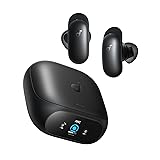
Soundcore Liberty 5 Pro,Guinness World Records-Certified Call Quality,Anker Thus™ AI Chip,Active Noise Cancelling Wireless Earbuds,Crystal-Clear Calls for Commute,Noisy Environments
$169.99 (as of June 19, 2026 01:00 GMT +00:00 - More infoProduct prices and availability are accurate as of the date/time indicated and are subject to change. Any price and availability information displayed on [relevant Amazon Site(s), as applicable] at the time of purchase will apply to the purchase of this product.)
blink plus plan with monthly auto-renewal
Now retrieving the price.
(as of June 19, 2026 01:00 GMT +00:00 - More infoProduct prices and availability are accurate as of the date/time indicated and are subject to change. Any price and availability information displayed on [relevant Amazon Site(s), as applicable] at the time of purchase will apply to the purchase of this product.)
Cable Zip Ties,400 Pack Black Assorted Sizes 12+8+6+4 Inch,Multi-Purpose Self-Locking Nylon Cable Cord Management,Plastic Wire Ties for Home,Office,Garden,Workshop. By HAVE ME TD
Now retrieving the price.
(as of June 19, 2026 01:00 GMT +00:00 - More infoProduct prices and availability are accurate as of the date/time indicated and are subject to change. Any price and availability information displayed on [relevant Amazon Site(s), as applicable] at the time of purchase will apply to the purchase of this product.)