In today’s hyper-competitive business landscape, staying ahead means more than just reacting to market changes; it means anticipating them. Businesses that thrive are those that can look into the future, understand potential challenges, and seize emerging opportunities before they fully materialize. This foresight isn’t magic; it’s the result of harnessing data through powerful **Predictive Solutions**.
From understanding customer behavior to optimizing operational efficiency, these advanced tools and methodologies are revolutionizing how companies operate. They empower decision-makers with actionable insights, transforming raw data into strategic intelligence. If you’re looking to drive significant growth and gain a sustainable competitive edge, embracing predictive analytics is no longer optional—it’s essential. This post will explore 10 amazing **Predictive Solutions** that can propel your business forward.
Understanding the Power of Predictive Solutions
At its core, a predictive solution uses historical data, statistical algorithms, and machine learning techniques to identify the likelihood of future outcomes based on past patterns. Instead of merely telling you what happened, it aims to tell you what *will* happen. This capability allows businesses to move from reactive strategies to proactive, data-driven planning.
The applications of these solutions are vast, touching every aspect of a business, from marketing and sales to operations and finance. By leveraging sophisticated models, companies can forecast trends, mitigate risks, and personalize experiences on a scale previously unimaginable. The insights gained from **Predictive Solutions** lead directly to more informed decisions, increased efficiency, and ultimately, greater profitability.

Top 10 Amazing Predictive Solutions for Business Growth
1. Customer Churn Prediction: A Key Predictive Solution
One of the most critical challenges for any subscription-based or service-oriented business is customer churn. Losing existing customers can be far more costly than acquiring new ones. **Predictive Solutions** can analyze various customer data points—usage patterns, support interactions, demographics, and feedback—to identify customers who are at high risk of churning.
By flagging these at-risk customers proactively, businesses can intervene with targeted retention strategies, such as personalized offers, proactive support, or loyalty programs. This not only saves valuable customer relationships but also significantly reduces customer acquisition costs. For more insights into retaining your valuable clientele, explore our guide on effective customer retention strategies.
2. Sales Forecasting and Demand Planning
Accurate sales forecasting is the bedrock of efficient business operations. **Predictive Solutions** leverage historical sales data, market trends, economic indicators, and even external factors like weather patterns to forecast future sales with remarkable precision. This is particularly vital for retail, manufacturing, and supply chain management.
Improved sales forecasts directly translate into optimized inventory levels, reduced stockouts, and minimized carrying costs. Furthermore, precise demand planning ensures that production schedules align with market needs, preventing both overproduction and underproduction. A recent report by Gartner highlights how advanced demand planning can significantly boost supply chain resilience and profitability.
3. Predictive Maintenance for Operational Excellence
In industries reliant on heavy machinery and complex equipment, unexpected breakdowns can lead to massive downtime, production losses, and costly emergency repairs. **Predictive Solutions** in maintenance use sensor data from machines (IoT devices) to monitor their health in real-time. These solutions can detect anomalies and predict potential equipment failures before they occur.
This allows maintenance teams to schedule interventions only when necessary, rather than following rigid, time-based schedules. The result is dramatically reduced downtime, extended asset lifespan, lower maintenance costs, and improved operational safety. Imagine the savings for a manufacturing plant or a logistics fleet using these proactive insights.
4. Fraud Detection and Security Predictive Solutions
Financial fraud and cyber threats pose a constant danger to businesses and consumers alike. **Predictive Solutions** are at the forefront of defense, analyzing vast streams of transactional data, user behavior, and network traffic in real-time. They can identify patterns indicative of fraudulent activity that might go unnoticed by human analysts or rule-based systems.
From credit card fraud to insurance claims and cybersecurity breaches, these solutions can flag suspicious transactions or login attempts instantly, preventing financial losses and protecting sensitive data. Implementing robust fraud detection is crucial for maintaining customer trust and regulatory compliance. Delve deeper into protecting your assets with our comprehensive cybersecurity guide.
5. Personalized Marketing and Recommendation Engines
In an age of information overload, generic marketing messages often fall flat. **Predictive Solutions** excel at understanding individual customer preferences and behaviors. They power recommendation engines that suggest products, services, or content tailored specifically to each user, much like Netflix or Amazon.
By analyzing past purchases, browsing history, demographics, and interactions, these solutions create highly personalized experiences. This leads to higher conversion rates, increased customer engagement, and a more satisfying customer journey. It’s about delivering the right message to the right person at the right time, significantly boosting marketing ROI.
6. Dynamic Pricing Strategies
Setting the optimal price for products and services is a delicate balance. Price too high, and you lose customers; price too low, and you leave money on the table. **Predictive Solutions** enable dynamic pricing, where prices adjust in real-time based on a multitude of factors, including demand, competitor pricing, inventory levels, time of day, and even customer segments.
Airlines, ride-sharing services, and e-commerce giants have long used dynamic pricing to maximize revenue and occupancy. This sophisticated approach allows businesses to capture maximum value while remaining competitive, adapting quickly to market fluctuations. For a deeper understanding of these models, consult Harvard Business Review’s insights on pricing strategies.
7. Workforce Optimization and Talent Management
Managing human capital effectively is key to productivity and employee satisfaction. **Predictive Solutions** can be applied to human resources to forecast staffing needs, identify potential employee turnover risks, and match skills to project requirements. They can analyze historical data on hiring, performance, and attrition to provide strategic insights.
This helps businesses optimize staffing levels, reduce recruitment costs, and proactively address employee dissatisfaction. By understanding who might leave and why, companies can implement targeted retention programs and improve overall talent management. This leads to a more stable, productive, and engaged workforce.
8. Supply Chain Optimization and Risk Management
The global supply chain is incredibly complex and susceptible to disruptions, as recent events have clearly shown. **Predictive Solutions** can analyze vast amounts of data related to logistics, inventory, supplier performance, and external factors like geopolitical events or natural disasters. This allows businesses to anticipate potential bottlenecks, delays, or shortages.
By predicting these risks, companies can proactively adjust their supply chain strategies, optimize routes, manage inventory more effectively, and diversify suppliers. This builds resilience, reduces operational costs, and ensures timely delivery of goods and services. Our recent post on building supply chain resilience offers further strategies.
9. Credit Scoring and Risk Assessment with Predictive Solutions
In the financial sector, assessing creditworthiness and managing risk are paramount. Traditional credit scoring models are often static and backward-looking. However, modern **Predictive Solutions** use advanced algorithms to analyze a broader range of data points—beyond conventional credit history—to provide a more nuanced and accurate risk assessment.
These solutions can predict the likelihood of loan defaults, fraudulent applications, or even a customer’s ability to repay a loan. This enables financial institutions to make more informed lending decisions, reduce bad debt, and offer more tailored financial products, ultimately benefiting both the lender and the borrower.
10. Healthcare Outcome Prediction and Resource Allocation
The healthcare industry is increasingly leveraging **Predictive Solutions** to improve patient care and optimize resource allocation. These solutions can analyze patient data, medical records, genetic information, and public health trends to predict disease outbreaks, identify patients at high risk for certain conditions, or forecast the effectiveness of treatments.
This enables healthcare providers to intervene earlier, personalize treatment plans, and allocate resources more efficiently, such as hospital beds or specialized equipment. The World Health Organization (WHO) frequently reports on the transformative potential of digital health technologies, including predictive analytics, in improving global health outcomes and preparedness.
Implementing Predictive Solutions in Your Business
Adopting **Predictive Solutions** might seem daunting, but the journey typically starts with clear objectives and a solid data strategy. Begin by identifying specific business problems that predictive analytics can solve, such as reducing churn or optimizing inventory. Ensure you have access to clean, relevant historical data, as data quality is paramount to the accuracy of any predictive model.
Consider investing in the right tools and technologies, whether it’s off-the-shelf software or custom-built machine learning models. Partnering with data scientists or specialized consultants can provide the expertise needed to develop and implement effective solutions. Start small, prove the value, and then scale your efforts across different departments.
Conclusion
The future of business belongs to those who can predict it. **Predictive Solutions** are no longer just an advantage; they are a fundamental component of modern, data-driven strategy. From enhancing customer experiences and optimizing operations to mitigating risks and uncovering new revenue streams, the ten solutions discussed above represent just a glimpse of their transformative power.
By leveraging these advanced analytics, businesses can make smarter decisions, allocate resources more effectively, and consistently stay one step ahead of the competition. Embracing **Predictive Solutions** means building a more resilient, efficient, and profitable enterprise for years to come. Ready to harness the power of **Predictive Solutions** and unlock unprecedented growth for your organization? Contact us today for a personalized consultation and discover how we can help you build your predictive capabilities.

Apple EarPods Headphones with USB-C Plug, Wired Ear Buds with Built-in Remote to Control Music, Phone Calls, and Volume
Now retrieving the price.
(as of June 19, 2026 01:00 GMT +00:00 - More infoProduct prices and availability are accurate as of the date/time indicated and are subject to change. Any price and availability information displayed on [relevant Amazon Site(s), as applicable] at the time of purchase will apply to the purchase of this product.)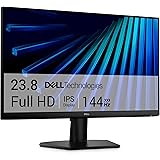
Dell 24 Monitor - SE2426H - 23.8-inch FHD (1920x1080) 144Hz 1ms Display, in-Plane Switching (IPS) Technology, AMD FreeSync™, TÜV 3-Star 2X HDMI, Tilt
$86.80 (as of June 19, 2026 01:00 GMT +00:00 - More infoProduct prices and availability are accurate as of the date/time indicated and are subject to change. Any price and availability information displayed on [relevant Amazon Site(s), as applicable] at the time of purchase will apply to the purchase of this product.)