Aipowered: 5 Essential Tools for Amazing Results
In the intricate world of electronics manufacturing, precision is paramount. Even the slightest defect can lead to catastrophic failures, costly recalls, and a damaged brand reputation. Traditional quality control methods, often reliant on human inspection, struggle to keep pace with the increasing complexity and miniaturization of electronic components. This is where the transformative power of AI-powered vision systems comes into play, revolutionizing how manufacturers ensure flawless products. By leveraging advanced algorithms and high-resolution cameras, these systems offer unparalleled accuracy and efficiency, fundamentally enhancing electronics manufacturing quality control. The future of precision manufacturing is undeniably Aipowered, and it’s delivering incredible results.
The demand for higher quality, faster production cycles, and reduced waste has never been greater. AI-powered vision systems are not just an incremental improvement; they represent a paradigm shift. They equip manufacturers with capabilities that were once unimaginable, moving beyond simple defect detection to predictive analysis and continuous process optimization. Let’s explore five essential Aipowered tools that are driving amazing results in electronics manufacturing today.
Aipowered Automated Optical Inspection (AOI) for Micro-Defect Detection
Automated Optical Inspection (AOI) has been a cornerstone of electronics quality control for years. However, the advent of AI has propelled AOI systems into a new era of capability. Traditional AOI often struggles with false positives and the intricate nuances of modern components, but Aipowered AOI systems use deep learning algorithms to analyze images with unprecedented accuracy. These systems are trained on vast datasets of both perfect and defective components, enabling them to identify even microscopic flaws that would escape the human eye or conventional machine vision.
Imagine a printed circuit board (PCB) with hundreds of tiny surface-mount devices (SMDs). An Aipowered AOI system can swiftly scan the entire board, identifying misaligned components, solder joint defects (like insufficient solder, bridges, or voids), incorrect polarity, and even subtle scratches or contamination. Its ability to learn and adapt means it becomes more precise over time, significantly reducing false reject rates and improving throughput. This leads to substantial cost savings by catching defects early in the production cycle, preventing them from escalating into more expensive problems down the line. (Image: Aipowered vision system inspecting a PCB for micro-defects)
Enhanced Accuracy and Speed with Aipowered AOI
The speed at which these Aipowered systems operate is astounding. They can inspect multiple units per second, far surpassing human capabilities. This speed, combined with superior accuracy, ensures that quality control doesn’t become a bottleneck in high-volume production lines. Furthermore, their objective nature eliminates the variability inherent in human inspection, providing consistent and reliable results every single time. For more insights into advanced inspection techniques, consider exploring resources on computer vision in manufacturing.
Aipowered Predictive Quality and Process Optimization
Beyond simply detecting defects, Aipowered vision systems are transforming quality control into a proactive discipline. By integrating with other manufacturing data sources—such as temperature sensors, pressure gauges, and robotic arm movements—these systems can do more than just identify a problem; they can predict its likelihood and pinpoint its root cause. This capability is a game-changer, shifting from reactive defect correction to proactive process optimization.
Consider a scenario where an Aipowered system monitoring a soldering process starts noticing a subtle trend in solder joint quality degradation. Instead of waiting for a batch of defective products, the AI can alert operators to adjust the soldering parameters before any unacceptable defects occur. This predictive capability minimizes scrap, reduces rework, and ensures consistent product quality from the outset. It’s about leveraging data to fine-tune every aspect of the manufacturing process, making it more robust and efficient. This focus on prevention aligns perfectly with modern manufacturing philosophies like Lean and Six Sigma.
Proactive Problem Solving with Aipowered Insights
The insights derived from these Aipowered systems allow manufacturers to optimize machine settings, identify faulty equipment before it breaks down, and even predict the lifespan of certain components. This level of foresight not only improves product quality but also significantly reduces operational costs and downtime. Manufacturers can delve into their process data to understand correlations, leading to continuous improvement cycles. The ability of an Aipowered system to learn from ongoing production data means its predictive models constantly evolve, becoming more accurate and valuable over time.
Aipowered Real-time Data Analytics and Traceability
One of the most powerful aspects of modern manufacturing is the ability to collect, analyze, and act upon vast amounts of data. Aipowered vision systems are data-generating powerhouses, capturing detailed images and metadata for every single product that passes through the line. This data is not just stored; it’s analyzed in real-time, providing immediate insights into production performance and quality trends.
Imagine being able to trace every component, every inspection result, and every process parameter associated with a specific product, all stored in a digital twin. This comprehensive traceability, enabled by Aipowered systems, is invaluable for compliance, warranty claims, and root cause analysis. If a defect is discovered in the field, manufacturers can quickly identify the batch, the specific machine, and even the exact time of manufacture, allowing for targeted recalls if necessary, rather than broad, costly ones. (Image: Dashboard showing Aipowered real-time quality control data)
Building a Data-Driven Quality Ecosystem with Aipowered Systems
The real-time analytics provided by Aipowered vision systems allows supervisors and engineers to monitor quality metrics from anywhere, instantly identifying deviations from standards. This agile response capability ensures that issues are addressed immediately, preventing small problems from becoming large-scale failures. By integrating with enterprise resource planning (ERP) and manufacturing execution systems (MES), Aipowered data creates a holistic view of the entire production ecosystem, fostering a truly data-driven approach to quality management. This comprehensive data collection also supports compliance with stringent industry standards like ISO 9001, proving that every product meets specified requirements.
Aipowered Adaptive Learning and Continuous Improvement
Unlike static, rule-based machine vision systems, Aipowered vision systems possess the remarkable ability to learn and adapt. This adaptive learning capability is arguably their most significant advantage, ensuring that quality control systems remain effective even as product designs evolve or new types of defects emerge. As the system processes more data and encounters new variations, its algorithms refine themselves, becoming more intelligent and accurate over time.
Consider a situation where a new component supplier introduces a slightly different packaging or a subtle material variation. A traditional system might flag these as defects, leading to false positives. An Aipowered system, however, can be retrained or can even self-learn to recognize these new, acceptable variations, thereby reducing unnecessary interruptions and maintaining high inspection efficiency. This continuous improvement loop ensures that the quality control system is always optimized for current production realities.
Evolving Quality Standards with Aipowered Intelligence
This self-improving nature extends to identifying novel defects. If a previously unseen type of manufacturing anomaly starts appearing, an Aipowered system, with human oversight, can be trained to recognize and categorize this new defect, incorporating it into its knowledge base. This makes the entire manufacturing process more resilient and future-proof. Manufacturers can leverage this capability to quickly adapt to market changes, new product introductions, and evolving quality standards, maintaining a competitive edge. The best practices for implementing such systems often involve a partnership between human experts and the AI, where the AI handles the repetitive tasks and flags anomalies, and humans provide the high-level judgment and training data.
Aipowered Human-Machine Collaboration and Safety
While Aipowered vision systems automate many aspects of quality control, they are not designed to replace human workers entirely. Instead, they foster a powerful synergy, enabling human-machine collaboration that elevates overall efficiency and safety. By taking over the tedious, repetitive, and error-prone tasks of visual inspection, AI frees up human operators to focus on more complex problem-solving, process optimization, and strategic decision-making.
For instance, an Aipowered system can highlight specific areas of concern on a component, guiding a human inspector directly to the potential issue for a final verification, rather than requiring them to meticulously scan the entire product. This reduces eye strain, fatigue, and the likelihood of human error. Furthermore, in environments where hazardous materials or extreme conditions are present, remote Aipowered inspection can keep human workers out of harm’s way, significantly enhancing workplace safety. (Image: Human operator overseeing an Aipowered inspection station)
Empowering the Workforce with Aipowered Tools
The integration of Aipowered vision systems also provides valuable training data for human operators, helping them to develop a deeper understanding of defect types and quality standards. This upskilling of the workforce is crucial for the Industry 4.0 era, transforming roles from manual inspectors to supervisors of sophisticated automated systems. The collaboration ensures that the best of human intuition and AI’s precision are combined, leading to unparalleled quality and operational excellence. Implementing these advanced systems often requires a cultural shift within an organization, emphasizing continuous learning and adaptation to new technologies.
Conclusion
The electronics manufacturing landscape is undergoing a profound transformation, driven by the relentless pursuit of perfection and efficiency. Aipowered vision systems are at the forefront of this revolution, offering five essential tools that deliver amazing results: highly accurate micro-defect detection through advanced AOI, predictive quality control for proactive process optimization, real-time data analytics for unparalleled traceability, adaptive learning for continuous improvement, and enhanced human-machine collaboration for a safer, smarter workforce.
These sophisticated systems are not just about catching defects; they are about building a more resilient, efficient, and intelligent manufacturing ecosystem. By embracing the power of Aipowered technology, electronics manufacturers can significantly reduce costs, improve product reliability, accelerate time to market, and maintain a competitive edge in a rapidly evolving global market. The future of quality control is here, and it is undoubtedly Aipowered. Are you ready to unlock amazing results for your manufacturing operations? Explore how AI-powered vision solutions can transform your quality control processes today.
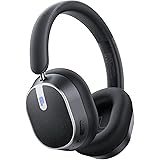
Hybrid Active Noise Cancelling Headphones, 120H Playtime Bluetooth Over Ear Headphones, Bluetooth 6.0 Wireless Headset with Display, 6 ENC Mic, Hi-Res Audio, Transparency Mode for Travel Game Black
$99.98 (as of June 19, 2026 01:00 GMT +00:00 - More infoProduct prices and availability are accurate as of the date/time indicated and are subject to change. Any price and availability information displayed on [relevant Amazon Site(s), as applicable] at the time of purchase will apply to the purchase of this product.)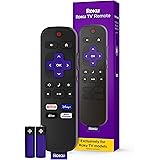
Roku TV Remote Control (Official Manufacturer Product) - Simple Setup, & Pre-Set App Shortcuts - Replacement Remote Compatible with RokuTV Models ONLY (Not Roku Players)
Now retrieving the price.
(as of June 19, 2026 01:00 GMT +00:00 - More infoProduct prices and availability are accurate as of the date/time indicated and are subject to change. Any price and availability information displayed on [relevant Amazon Site(s), as applicable] at the time of purchase will apply to the purchase of this product.)
INSIGNIA 50" Class F50 Series LED 4K UHD Smart Fire TV, Voice Remote with Alexa, Stream Live TV Without Cable
Now retrieving the price.
(as of June 19, 2026 01:00 GMT +00:00 - More infoProduct prices and availability are accurate as of the date/time indicated and are subject to change. Any price and availability information displayed on [relevant Amazon Site(s), as applicable] at the time of purchase will apply to the purchase of this product.)